
Think of technical debt like running a race with extra weight—you may move fast at first, but it slows you down in the long run. It’s a growing challenge for organizations aiming for digital transformation.
As Ward Cunningham defined over two decades ago, technical debt refers to the implied costs of choosing an easy or quick solution now instead of a better, more optimal solution later. This concept mirrors financial debt in that it accrues “interest,” which in the case of technical debt translates into additional costs and barriers to innovation.
Recent data indicates that organizations allocate an average of 30% of their IT budgets and 20% of their IT human resources to manage technical debt. This rising cost underscores the need for effective strategies to mitigate its impact.
One such strategy is the use of iPaaS solutions. iPaaS offers a comprehensive approach to managing and alleviating technical debt, particularly in increasingly complex IT environments that include a mix of cloud and on-premise systems.
This article explores three key ways iPaaS solutions can effectively address and reduce technical debt.
Get Started with Aonflow iPaaS – Free Trial Available!
Build and deploy your integrations at zero cost. No credit card required!
1. Standardization, Centralization, and Reusability
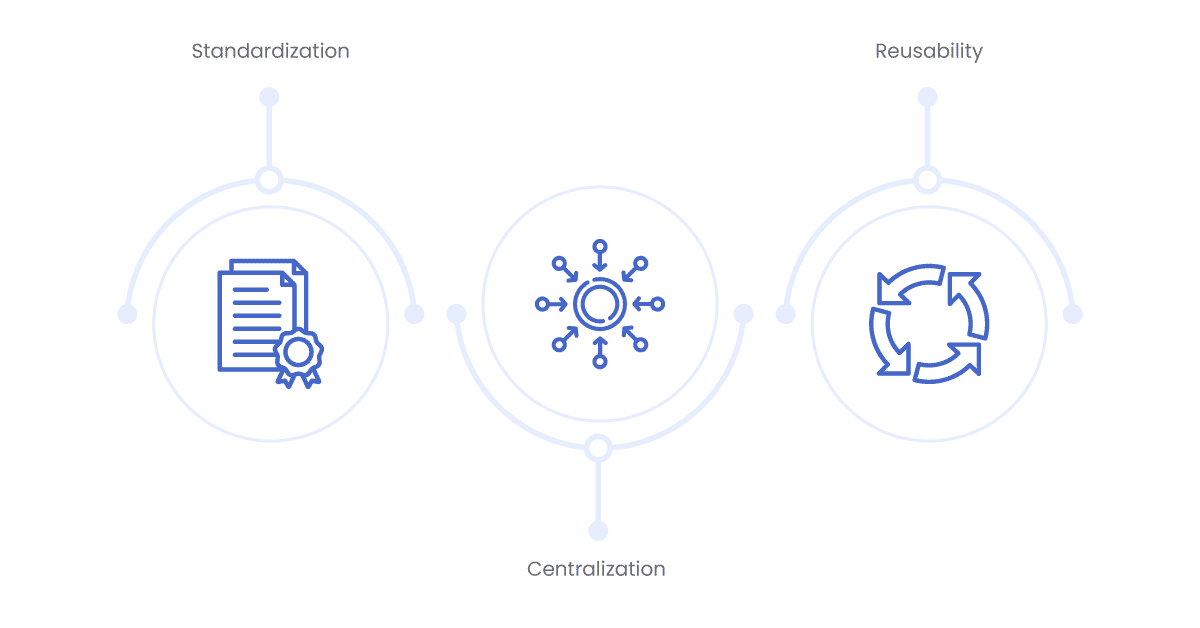
One of the primary ways iPaaS alleviates technical debt is through standardization, centralization, and reusability of integration practices. Traditional integration methods often involve bespoke solutions and ad-hoc approaches, leading to inconsistent and error-prone integrations. These practices not only contribute to technical debt but also complicate the integration process and increase the risk of future issues.
iPaaS platforms like Aonflow offer a unified solution that centralizes integration practices. By providing a single platform for all integration needs, iPaaS reduces the need for multiple, disparate integration tools and approaches. This centralization minimizes the risk of creating redundant or incompatible integrations that can accumulate technical debt over time.
Moreover, iPaaS platforms typically come equipped with a broad range of pre-built connectors and templates for popular systems and applications. These ready-made components accelerate the integration process, allowing development teams to quickly connect disparate systems without having to build integrations from scratch.
The availability of these reusable components not only speeds up implementation but also ensures consistency across different integration projects. By leveraging these pre-built solutions, IT teams can avoid code duplication, reduce errors, and maintain consistent integration patterns, all of which contribute to minimizing technical debt.
Example: A Global Retailer’s Integration Overhaul
Consider a global retailer with diverse systems spanning multiple regions and functions. Initially, the retailer used various custom-built integrations to connect its e-commerce platform with its supply chain management and customer relationship management (CRM) systems. This approach resulted in numerous point-to-point integrations, each tailored to specific needs but leading to inconsistent and error-prone data flows.
The retailer decided to implement an iPaaS solution to streamline its integration landscape. The iPaaS platform provided a centralized environment for managing all integrations. Pre-built connectors for popular systems like ERP and CRM applications allowed the retailer to quickly integrate its systems with minimal custom coding.
For instance, the iPaaS platform included connectors for SAP ERP and Salesforce CRM, enabling seamless data synchronization between these systems. By leveraging these pre-built connectors, the retailer reduced the time spent on integration development, minimized errors associated with custom code, and maintained consistent data flows across its operations.
The result was a more unified integration strategy that not only addressed technical debt but also enhanced operational efficiency and reduced the need for ongoing maintenance. The centralization of integration practices through iPaaS allowed the retailer to avoid the pitfalls of siloed integrations and reduced the risk of introducing new technical debt.
2. Rapid Development and Deployment
Another significant benefit of iPaaS in managing technical debt is its support for rapid development and deployment of integrations. Traditional integration methods often involve extensive manual coding and configuration, which can be time-consuming and prone to errors. This approach increases the likelihood of introducing incomplete or faulty integrations, further exacerbating technical debt.
iPaaS platforms address this issue by providing visual development tools, drag-and-drop interfaces, and low-code capabilities. These features enable users to design, develop, and deploy integrations more efficiently.
The visual development tools and low-code capabilities streamline the integration development lifecycle, reducing the time and effort required for manual coding, debugging, and maintenance. This efficiency not only accelerates the deployment of integrations but also helps to minimize the chances of introducing errors or incomplete functionality, thereby reducing the potential for technical debt.
Furthermore, the rapid development approach facilitated by iPaaS enables organizations to adapt quickly to changing business needs and technology requirements. As businesses evolve and new systems or applications are introduced, iPaaS platforms allow for swift adjustments and updates to integrations. This agility reduces the risk of technical debt accumulating due to outdated or misaligned integrations and ensures that the IT infrastructure remains aligned with current business objectives.
Example: A Financial Services Firm’s Accelerated Integration
A financial services firm was struggling with a legacy integration approach involving extensive manual coding to connect its banking systems with new FinTech applications. This method was time-consuming, prone to errors, and delayed the rollout of new features and services. The firm recognized the need for a more agile solution to keep pace with the rapidly evolving fintech landscape.
The firm adopted an iPaaS solution that offered visual development tools and low-code capabilities. With these tools, the firm’s developers could design, build, and deploy integrations using drag-and-drop interfaces and pre-configured templates. For example, integrating a new payment processing service with the firm’s core banking system was streamlined through a visual workflow designer provided by the iPaaS platform.
The low-code environment enabled rapid development and deployment of integrations, significantly reducing the time and effort required compared to traditional coding methods. This agility allowed the firm to quickly integrate new fintech solutions, enhance its service offerings, and stay competitive in the market.
Moreover, the reduced need for manual coding and debugging minimized the chances of introducing errors, thereby decreasing the accumulation of technical debt. The firm could focus on innovation and delivering new features to customers, rather than managing the complexities of integration development.
Aonflow is the leading integration platform.
You can kick-start by integrating your first-ever workflow in just a matter of minutes.
3. Monitoring, Management, and Scalability
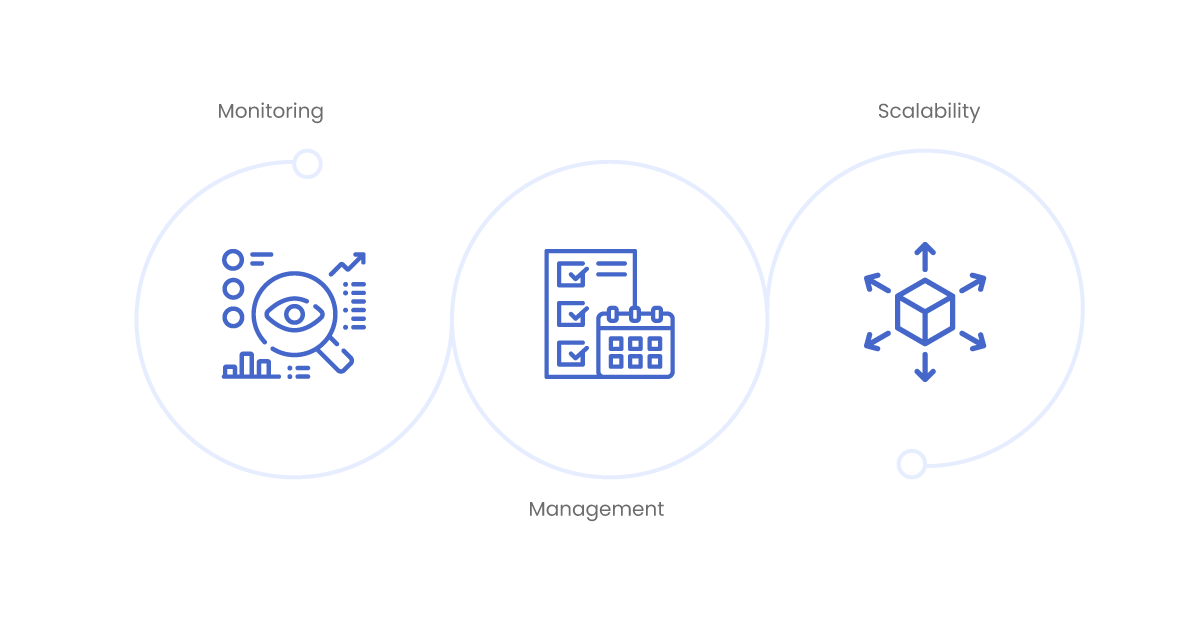
Effective monitoring, management, and scalability are crucial for mitigating technical debt, and iPaaS platforms excel in these areas. Traditional integration solutions often lack comprehensive monitoring and management capabilities, making it challenging for development teams to track the performance and health of integrations. This limitation can result in undetected issues that contribute to technical debt over time.
iPaaS platforms, on the other hand, offer advanced monitoring and management features that provide real-time visibility into the performance, reliability, and health of integrations. These capabilities allow development teams to quickly identify and address issues, such as errors, performance bottlenecks, or compatibility problems before they escalate and contribute to technical debt.
By proactively managing integrations, organizations can prevent the accumulation of technical debt and ensure that their IT infrastructure remains stable and efficient.
Additionally, iPaaS solutions are designed to be scalable, accommodating the growing needs of businesses as they expand and evolve. Scalability is a key factor in managing technical debt, as it ensures that integrations can be easily adjusted or extended to meet changing requirements. This flexibility helps organizations avoid the pitfalls of rigid or outdated integration solutions that can contribute to technical debt.
Example: A Healthcare Provider’s Real-Time Integration Management
A large healthcare provider faced challenges with managing and monitoring the performance of its numerous integrations between electronic health record (EHR) systems, patient management systems, and billing applications. The lack of comprehensive monitoring tools led to difficulties in identifying and resolving issues, resulting in occasional system outages and disruptions in patient services.
The healthcare provider implemented an iPaaS solution with advanced monitoring and management capabilities. The iPaaS platform offered real-time visibility into integration performance, allowing the provider’s IT team to track metrics such as response times, error rates, and data throughput.
For instance, the monitoring dashboard highlighted a performance bottleneck in the integration between the EHR system and the billing application. The IT team was able to quickly pinpoint the issue and adjust the integration parameters to optimize performance, preventing potential disruptions in patient billing processes.
Additionally, the iPaaS platform’s scalability features enabled the healthcare provider to efficiently handle increased data volumes and integrate new systems as the organization grew. This flexibility ensured that the provider’s integration infrastructure could adapt to evolving needs without accumulating technical debt.
By utilizing the iPaaS platform’s monitoring and management tools, the healthcare provider effectively reduced the risk of integration-related issues and maintained a stable, scalable integration environment. This approach allowed the provider to focus on improving patient care and expanding its services without being bogged down by technical debt.
Final Thoughts
Technical debt poses a significant challenge for organizations, impacting their ability to innovate and adapt to evolving business needs. iPaaS solutions offer a powerful approach to alleviating technical debt through standardization, centralization, reusability of integration practices, rapid development and deployment capabilities, and advanced monitoring, management, and scalability features.
By leveraging iPaaS, organizations can streamline their integration processes, reduce the risk of accumulating technical debt, and create a more agile and efficient IT environment.
As businesses continue to modernize their technology stacks and navigate the complexities of digital transformation, understanding and addressing technical debt will be crucial for long-term success.
iPaaS provides a robust framework for managing technical debt, enabling organizations to focus on driving innovation and achieving their strategic goals. With the right iPaaS solution in place, businesses can build a strong foundation for future growth and transformation, free from the constraints of technical debt.
Get Started with Aonflow iPaaS – Free Trial Available!
Build and deploy your integrations at zero cost. No credit card required!