
Businesses today are moving faster than ever, constantly adopting new technologies to stay competitive. This digital evolution often results in dozens, if not hundreds, of software applications being used across the organization—from CRM tools to HR systems, from marketing platforms to finance apps.
While each of these applications serves its purpose, there comes a point when managing all of them becomes a monumental task. If they don’t communicate, your team may find themselves manually moving data from one system to another. They’d be struggling with inconsistencies, and lacking real-time information for effective decision-making.
If you feel like you’re fighting an uphill battle with disconnected systems and data silos, it might be time to think about an iPaaS. But how do you know if you’re truly ready for such a move? Here, we’ll break down five signs that indicate it’s time for your business to take the plunge and invest in an iPaaS solution.
Get Started with Aonflow iPaaS – Free Trial Available!
Build and deploy your integrations at zero cost. No credit card required!
1. Your IT Department is Overwhelmed with Integration Requests
Let’s start with the most obvious sign: your IT department is drowning in integration work. Picture this: every week, your IT team gets dozens of job tickets asking for new apps to be connected, data transfers to be set up, or broken integrations to be fixed. They’re spending more time playing catch-up than actually building something new.
This scenario is all too common, especially for businesses that rely on custom-coded integrations. These traditional integrations can be cumbersome, time-consuming, and expensive. If your IT team is constantly having to patch things together, there’s a good chance they’re frustrated—and you’re not getting the full potential out of your systems.
An iPaaS platform provides a centralized environment where you can create and manage integrations without writing tons of code. The best part? It empowers your IT team to do more in less time, which means fewer job tickets, fewer headaches, and more time spent on projects that drive business value.
2. Keeping Up with Technology Feels Like a Never-ending Race
Technology is changing fast, and businesses have to keep up or risk getting left behind. But let’s be honest—it’s exhausting. Between new SaaS platforms, mobile apps, big data solutions, IoT devices, and whatever new tech the next quarter brings, it can feel like you’re fighting a losing battle.
If your IT architecture is struggling to support all of these new technologies, that’s a big sign you need an iPaaS solution. iPaaS is designed to help you embrace new tools and applications without the pain of complex integrations. Whether you’re connecting cloud-based SaaS apps or bridging the gap between legacy systems and new technology, iPaaS makes it a whole lot easier.
Why Hybrid Environments Matter
A lot of businesses operate in hybrid environments—they have some systems in the cloud, others on-premises, and maybe even a few legacy tools they can’t quite part with yet. Connecting all of these systems can be a nightmare with traditional integration methods.
With iPaaS, it’s a different story. It lets you integrate both on-premises and cloud-based tools seamlessly. This means you can modernize at your own pace, without worrying about breaking anything or losing control over your existing systems.
3. Deployment Takes Way Too Long
If deploying new integrations is eating up too much of your time, it’s time to find a better way. Traditional integration methods, like using an Enterprise Service Bus (ESB), often require significant on-premises infrastructure and a lot of setup time. By the time everything’s configured, you may have already missed your window of opportunity.
Speed matters. If deploying new integrations is taking weeks (or months), you’re losing ground. iPaaS platforms eliminate the need for on-premises hardware, which means you can set up and deploy integrations much faster.
4. Maintenance Costs Are Spiraling Out of Control
If you feel like your maintenance costs are getting out of hand, it’s probably a sign that you need to reevaluate how you’re managing integrations. ESBs and other traditional integration tools often require ongoing maintenance—hardware upgrades, software updates, and staffing resources—all of which add up.
iPaaS takes much of that burden off your shoulders. Since it’s a cloud-based platform, there’s little to no hardware to maintain, and updates are handled by the service provider. This means your IT team can focus on more strategic projects rather than spending their time keeping the system running.
5. Managing Global Operations Is Becoming a Huge Challenge
If you’re running a global business, you already know that managing IT operations across different regions can be a nightmare. You need to meet different security, compliance, and data privacy requirements in each region, which often means deploying redundant systems at every location. This can create a ton of complexity, and it makes it difficult to get a clear picture of what’s going on across the organization.
With iPaaS, you get a single platform that can be accessed from anywhere in the world, while still meeting local requirements. This means you can manage integrations centrally, keep things consistent across locations, and easily share information across teams.
The Benefits of a Single View
Let’s say you’re managing data from different manufacturing plants, sales offices, and distribution centers around the world. Without iPaaS, each region might have its own integration tools, making it impossible to get a real-time view of your business. With an iPaaS platform, you can create a centralized hub that gives you visibility into your entire operation—improving efficiency, reducing costs, and helping you respond faster to changes in the market.
Why iPaaS Makes Sense for Integration
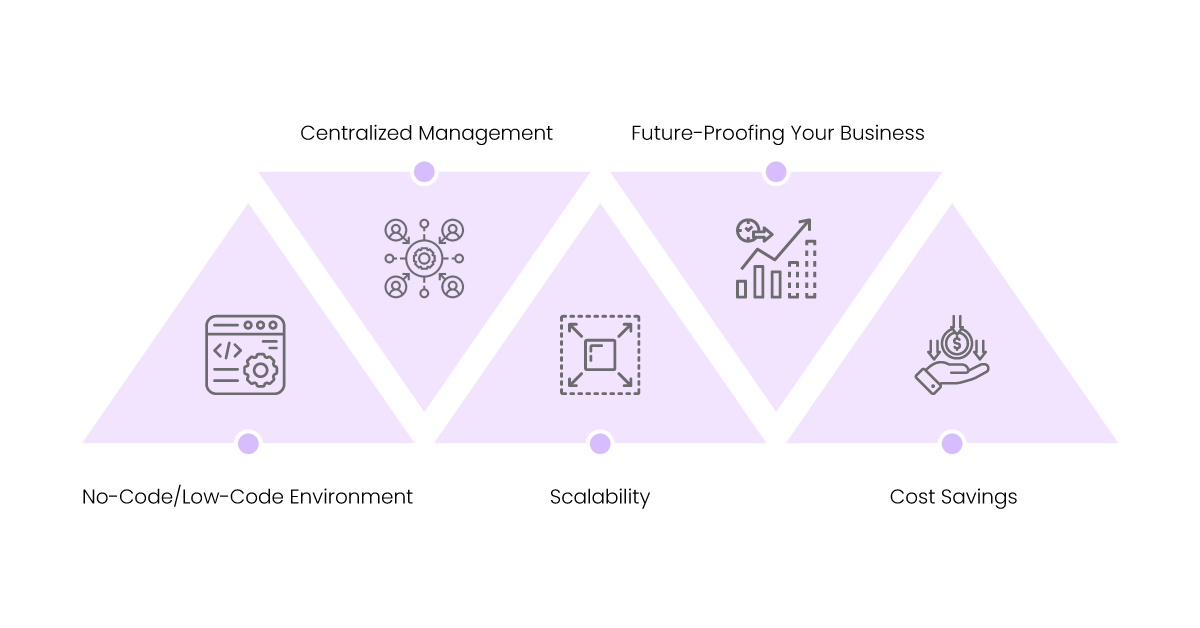
If any of the signs above sound familiar, it might be time to think seriously about adopting an iPaaS solution. But you might still be wondering: what makes iPaaS different, and why should I choose it for my integration needs?
Here’s why:
- No-Code/Low-Code Environment: iPaaS platforms make integration accessible to everyone, even if they don’t have coding skills. A no-code or low-code interface means your team can create integrations quickly, without waiting on IT to write and test complex code. This empowers more people in your organization to contribute, and it means you can respond faster when new integration needs arise.
- Scalability: iPaaS is built for growth. It doesn’t matter if you’re just starting out or if you have hundreds of applications—you can scale up as your business grows. The cloud-based nature of iPaaS means you can handle increasing volumes of data and more complex integrations without missing a beat.
- Cost Savings: By eliminating on-premises hardware, reducing manual processes, and centralizing management, iPaaS can significantly reduce costs. Instead of spending money on physical infrastructure, you invest in a solution that helps your business grow and evolve.
- Centralized Management: With iPaaS, you get a single platform for all your integrations. This means your IT team has complete visibility, which makes it easier to identify and resolve issues before they cause major disruptions. Plus, centralized management makes compliance easier, as you can track data flows and ensure consistency across the board.
- Future-Proofing Your Business: One of the biggest challenges with traditional integration is that it’s rigid—it doesn’t adapt well to change. iPaaS, on the other hand, is designed to be flexible. It can integrate with virtually anything, meaning you can continue to adopt new tools and technologies without worrying about how you’ll connect them to your existing systems.
Aonflow is the leading integration platform.
You can kick-start by integrating your first-ever workflow in just a matter of minutes.
How to Get Started with iPaaS
If you think an iPaaS solution might be right for your business, here’s how to get started:
1. Assess Your Integration Needs
Take a close look at your current systems and identify where the biggest pain points are. Are there specific applications that are hard to connect? Processes that feel slow and inefficient? Understanding your current challenges will help you determine what you need from an iPaaS platform.
2. Set Clear Goals
What do you want to achieve with iPaaS? Whether it’s reducing deployment times, cutting maintenance costs, or empowering your team with better tools, having clear goals will help you choose the right platform and measure your success. For example, your goal could be as simple as reducing the number of hours your IT team spends on integration-related tasks or as ambitious as completely modernizing your IT architecture. The clearer your goals, the easier it will be to select a platform that aligns with your needs.
3. Plan Your Integration Rollout in Phases
Jumping into iPaaS without a plan can be overwhelming. Instead, take a phased approach. Start with the systems that are causing the most pain or require the most manual work. This will allow you to see quick wins and get your team on board with the new approach.
For example, you could begin by integrating your CRM and marketing platforms so that sales and marketing are always aligned. Then, move on to connecting inventory and supply chain management systems to improve operational efficiency. Breaking the rollout into phases ensures you can manage the transition smoothly without causing unnecessary disruption.
4. Get Your Team On Board
Technology is only as good as the people using it. It’s important to engage your team early on, explain the benefits of iPaaS, and provide the necessary training. Make sure they know that the goal is to make their lives easier—not to replace them or make their work more difficult.
One of the best ways to get your team excited about iPaaS is to show them how it will solve their specific pain points. If your IT team is tired of dealing with repetitive tasks, explain how iPaaS will free up their time for more strategic projects. If your sales team is frustrated by outdated customer data, show them how integration will keep everything up to date in real time. The more everyone understands the value, the more likely they are to embrace the change.
The Future of Business: Embracing iPaaS for Growth and Innovation
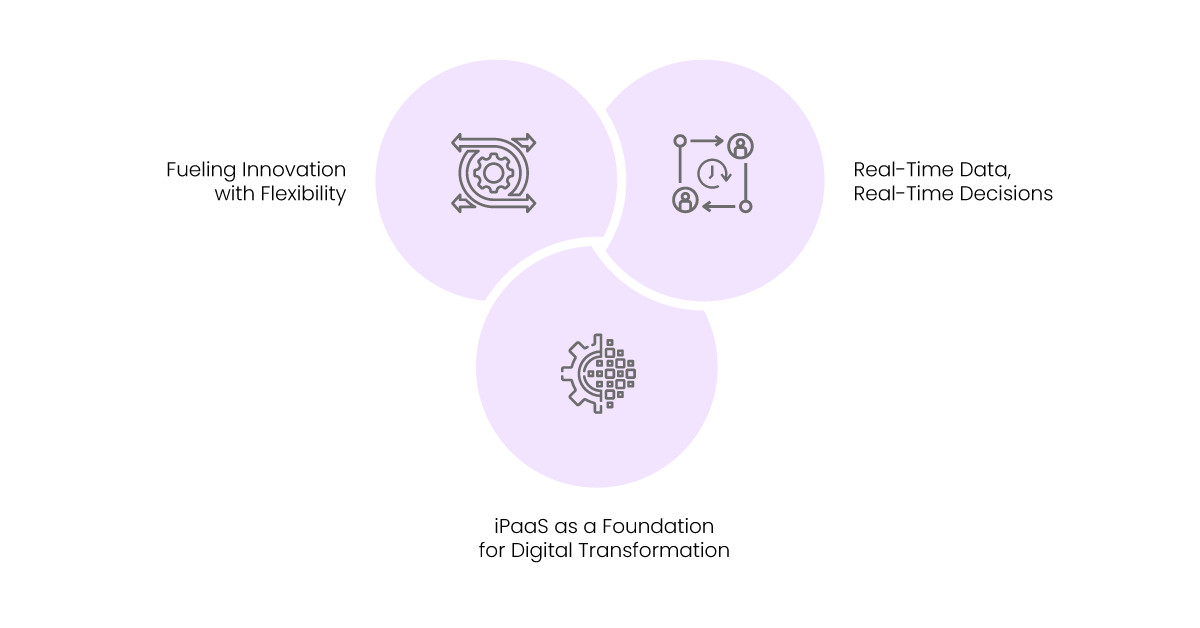
The business world is changing, and integration is at the heart of this transformation. As more and more businesses move towards digital-first approaches, the need for seamless, efficient integration becomes critical. iPaaS is not just a tool—it’s a catalyst for growth, a driver of innovation, and a solution to the age-old problem of data silos.
1. iPaaS as a Foundation for Digital Transformation
Digital transformation is the buzzword of the moment, and for good reason. Companies that adopt digital-first strategies are more agile, more efficient, and better able to serve their customers. But digital transformation isn’t possible without integration. Imagine trying to create a seamless customer experience if your sales, marketing, and customer service platforms don’t communicate. It just won’t work.
iPaaS lays the foundation for digital transformation by providing the connectivity you need to bring all your systems together. Whether it’s customer data, operational metrics, or financial performance, iPaaS makes sure everyone in your organization has access to the information they need—when they need it.
2. Real-Time Data, Real-Time Decisions
In a world where change happens in the blink of an eye, real-time data is essential. If you’re making decisions based on last week’s numbers, you’re already behind. iPaaS helps you keep up by ensuring data flows smoothly and quickly between your systems, so decision-makers always have the latest information at their fingertips.
For instance, consider a logistics company that needs to track its fleet in real time. By integrating fleet management software, customer service tools, and inventory systems using iPaaS, they can provide accurate ETAs to customers, optimize delivery routes, and even predict maintenance needs—all based on real-time data.
3. Fueling Innovation with Flexibility
Innovation thrives when you have the freedom to experiment, and iPaaS gives you that freedom. If you want to try out a new tool or test a new workflow, iPaaS makes it easy to plug it into your existing systems without the need for complex and costly integration work. This flexibility allows you to innovate faster, respond to market changes, and continuously improve your business operations.
Think of it this way: instead of being locked into a rigid system where every change takes months to implement, you have a flexible framework that allows you to adapt quickly. Want to add a new CRM tool? No problem. Need to connect an IoT device to monitor equipment in your factory? Done. With iPaaS, the possibilities are endless.
Are You Ready for iPaaS?
If you recognize any of the signs we’ve talked about—an overwhelmed IT department, struggling to keep up with tech changes, long deployment times, rising maintenance costs, or challenges managing global operations—it might be time to consider iPaaS. Integration is the glue that holds your business together, and iPaaS is the tool that makes it all possible.
The key to thriving in today’s business environment is being agile, adaptable, and ready for anything. iPaaS helps you do just that. By simplifying integration, reducing costs, and giving you real-time visibility into your operations, iPaaS empowers your business to be more responsive to change and more focused on delivering value to your customers.
Final Thoughts: Moving Towards a More Integrated Future
Technology should work for you—not the other way around. If you’re tired of disconnected systems, frustrated by manual processes, and feeling like you’re always a step behind, it’s time to make a change. iPaaS isn’t just about connecting your applications; it’s about connecting your business to the future.
Imagine an organization where all your tools talk to each other seamlessly, your data is always up to date, and your IT team is free to focus on strategic projects that move the needle. That’s what iPaaS can offer. It’s a solution that’s designed to grow your business, adapt to your changing needs, and make your operations more efficient and effective.
If you’re ready to move beyond the challenges of disconnected systems, embrace integration with iPaaS, and unlock new opportunities for growth and success, then there’s no better time to start than now. Remember, the future belongs to those who are ready to integrate, innovate, and grow.
Get Started with Aonflow iPaaS – Free Trial Available!
Build and deploy your integrations at zero cost. No credit card required!