Efficiency is vital in supply chain management, where delays or miscommunications can cause disruptions. Help desk operations play a crucial role in maintaining smooth operations by managing inquiries and incidents. Leveraging advanced technologies like Integration Platform as a Service (iPaaS) can significantly enhance the effectiveness of ticketing systems.
Get Started with Aonflow iPaaS – Free Trial Available!
Build and deploy your integrations at zero cost. No credit card required!
Understanding Supply Chain Help Desk Operations
Supply chain help desk operations are the frontline support systems responsible for handling inquiries, incidents, and service requests from a diverse range of stakeholders involved in the supply chain ecosystem. These stakeholders may include suppliers, vendors, partners, internal teams, and sometimes even customers. The primary objective of supply chain help desk operations is to ensure smooth communication channels and efficient issue resolution to maintain uninterrupted flow within the supply chain.
In a dynamic and interconnected supply chain environment, numerous queries and issues can arise at any point in the process. These could range from simple inquiries about order status or product availability to more complex issues like delivery delays, quality concerns, or technical glitches in systems. Regardless of the nature or complexity of the request, supply chain help desk operations are tasked with promptly addressing these issues to minimize disruptions and uphold service levels.
Timeliness is of utmost importance in supply chain help desk operations. Any delay in responding to inquiries or resolving issues can have cascading effects downstream, leading to bottlenecks, missed deadlines, and potential financial losses. Therefore, help desk teams must be equipped with efficient tools and processes to ensure that every inquiry is acknowledged, tracked, and resolved within the shortest possible time frame.
Moreover, supply chain help desk operations play a crucial role in fostering positive relationships with stakeholders. By providing responsive and reliable support, help desk teams contribute to building trust and confidence among partners and customers. This, in turn, enhances collaboration, strengthens partnerships, and ultimately drives business success.
The Importance of Efficient Ticketing Systems
A robust ticketing system centralizes inquiries, tracks them, and ensures prompt resolution, thus minimizing response times and maximizing customer satisfaction.
Centralization is the cornerstone of an efficient ticketing system. Instead of inquiries being scattered across various channels or departments, a centralized system consolidates them into a single platform. This not only simplifies the process of managing inquiries but also provides a comprehensive view of all outstanding issues, allowing for better prioritization and allocation of resources.
Tracking is another key function of ticketing systems. Each inquiry is assigned a unique identifier or ticket number, which serves as its digital footprint throughout the resolution process. This enables help desk teams to monitor the progress of each inquiry, identify bottlenecks or trends, and proactively address issues before they escalate. Furthermore, tracking allows for accountability and transparency, as stakeholders can easily trace the status of their inquiries and stay informed about any developments.
Prompt resolution is the ultimate goal of any ticketing system. By streamlining workflows, automating routine tasks, and providing clear escalation paths, these systems ensure that inquiries are addressed promptly. This not only minimizes response times but also enhances customer satisfaction by demonstrating responsiveness and reliability.
Moreover, efficient ticketing systems contribute to operational efficiency by reducing manual errors, streamlining communication, and optimizing resource allocation. By automating routine tasks such as ticket routing, categorization, and assignment, these systems free up valuable time for help desk teams to focus on more complex issues or strategic initiatives. This, in turn, leads to faster resolution times, improved productivity, and ultimately, cost savings for the organization.
What is iPaaS?
Integration Platform as a Service (iPaaS) is a cloud-based solution facilitating the integration of various applications, systems, and data sources.
How iPaaS Revolutionizes Ticketing Systems
iPaaS represents a paradigm shift in the way ticketing systems operate within supply chain management. By seamlessly integrating with existing applications and systems, iPaaS brings a new level of efficiency and flexibility to ticketing processes. This integration streamlines workflows, automates tasks, and enhances data security, ultimately revolutionizing the way ticketing systems function.
Key Features of iPaaS-enabled Ticketing Systems
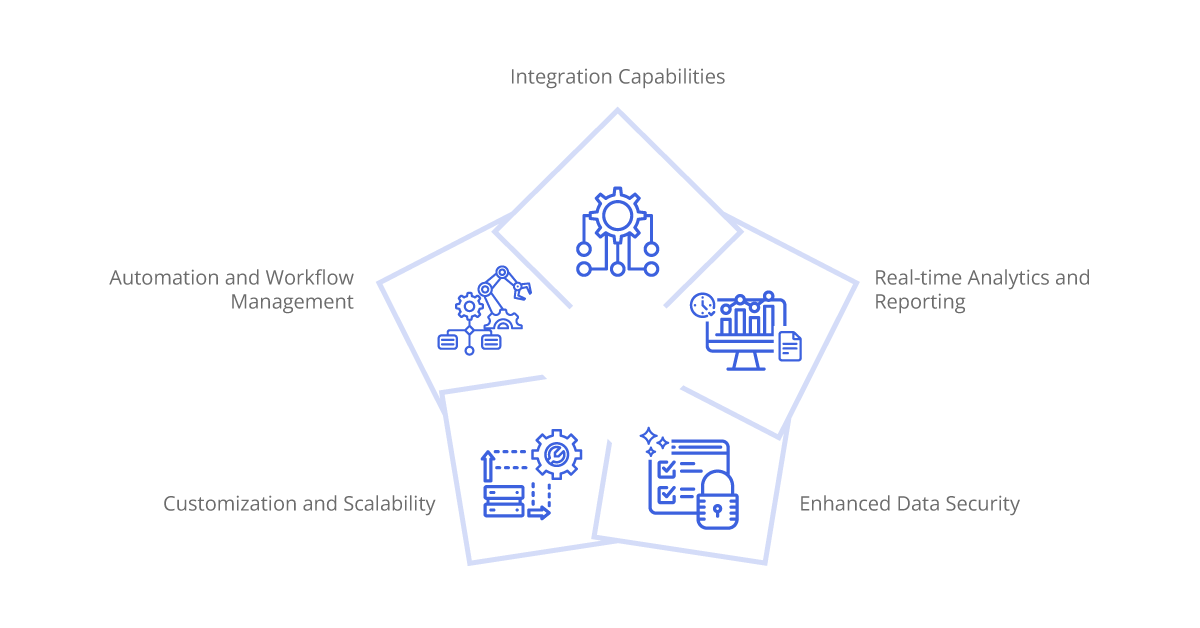
- Integration Capabilities: iPaaS-enabled ticketing systems offer seamless integration with a wide range of existing applications and systems used within the organization. Whether it’s ERP systems, CRM platforms, or third-party applications, iPaaS facilitates the exchange of data and information, ensuring that all relevant stakeholders have access to real-time updates and insights.
- Customization and Scalability: One of the key advantages of iPaaS-enabled ticketing systems is their flexibility and scalability. These systems can be tailored to meet the specific needs and requirements of the organization, allowing for custom workflows, ticket categorization, and reporting structures. Moreover, iPaaS enables organizations to scale up or down as needed, accommodating changes in demand or business growth without compromising performance.
- Automation and Workflow Management: iPaaS-powered ticketing systems automate repetitive tasks such as ticket routing, assignment, and escalation. By defining predefined workflows and business rules, these systems ensure that inquiries are handled promptly and efficiently, reducing manual intervention and minimizing response times. This automation not only improves efficiency but also frees up valuable time for help desk teams to focus on more strategic tasks.
- Enhanced Data Security: Data security is a top priority for organizations, especially when it comes to handling sensitive information within ticketing systems. iPaaS-enabled ticketing systems provide robust security features, including data encryption, access controls, and audit trails, ensuring that confidential information remains protected at all times. With built-in security measures, organizations can have peace of mind knowing that their data is safe and secure.
- Real-time Analytics and Reporting: iPaaS-powered ticketing systems offer advanced analytics and reporting capabilities, providing valuable insights into help desk performance and customer satisfaction metrics in real time. With customizable dashboards and reports, organizations can track key performance indicators, identify trends, and make data-driven decisions to improve operational efficiency and enhance customer experience. Additionally, real-time analytics enable proactive problem-solving and continuous improvement, helping organizations stay ahead of potential issues before they escalate.
Case Study: Implementation Success
This fictitious case study highlights how a leading logistics company successfully implemented iPaaS-enabled ticketing systems to streamline its help desk operations and achieve remarkable results.
Background
The logistics company, with a vast network spanning multiple continents, faced challenges in managing its help desk operations effectively. With a multitude of inquiries pouring in from various stakeholders, including customers, suppliers, and internal teams, the existing ticketing system struggled to keep pace with the growing demands of the business. Delays in response times, manual errors, and lack of visibility into help desk performance were hindering the company’s ability to deliver timely and efficient support.
Implementation
Recognizing the need for a more robust and integrated solution, the logistics company embarked on a journey to implement iPaaS-enabled ticketing systems. Leveraging the expertise of a reputable technology partner, the company devised a comprehensive implementation plan tailored to its specific requirements.
The implementation process involved several key steps:
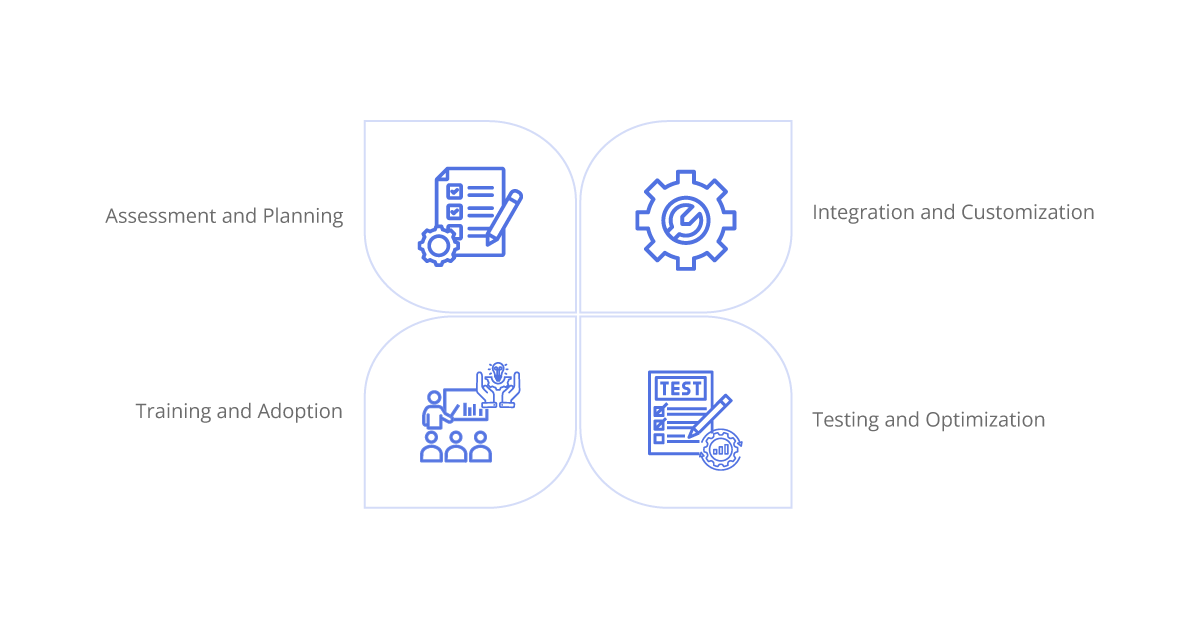
- Assessment and Planning: The first phase involved conducting a thorough assessment of the existing ticketing system and identifying areas for improvement. Based on this assessment, a detailed implementation plan was developed, outlining the scope, timeline, and resource requirements for the project.
- Integration and Customization: With iPaaS as the foundation, the company integrated the ticketing system with its existing applications, systems, and data sources. Custom workflows and business rules were configured to streamline ticket routing, assignment, and escalation processes, ensuring maximum efficiency and responsiveness.
- Training and Adoption: To ensure a smooth transition, comprehensive training programs were conducted for help desk staff and other relevant stakeholders. Training sessions covered system functionalities, best practices, and troubleshooting techniques, empowering users to make the most of the new ticketing system.
- Testing and Optimization: Rigorous testing was conducted at every stage of the implementation process to identify and address any issues or discrepancies. Feedback from users was solicited and incorporated into the system design, ensuring that the final solution met the company’s expectations and requirements.
Aonflow is the leading integration platform.
You can kick-start by integrating your first-ever workflow in just a matter of minutes.
Results
The implementation of iPaaS-enabled ticketing systems yielded significant improvements in help desk operations for the logistics company:
- Streamlined Processes: The new ticketing system streamlined workflows, reducing manual errors and improving overall efficiency. Ticket routing, assignment, and escalation processes were automated, ensuring that inquiries were handled promptly and effectively.
- Enhanced Visibility: With real-time analytics and reporting capabilities, help desk managers gained valuable insights into performance metrics such as response times, resolution rates, and customer satisfaction scores. This enhanced visibility enabled proactive decision-making and continuous improvement initiatives.
- Improved Customer Satisfaction: By delivering faster response times and more personalized support, the logistics company significantly enhanced customer satisfaction levels. Customers appreciated the company’s responsiveness and professionalism, leading to strengthened relationships and increased loyalty.
- Cost Savings: The streamlined processes and improved efficiency resulting from the implementation of iPaaS-enabled ticketing systems translated into tangible cost savings for the company. Reduced manual intervention, fewer escalations, and optimized resource allocation contributed to a more cost-effective help desk operation.
The successful implementation of iPaaS-enabled ticketing systems proved to be a game-changer for the global logistics company, enabling it to streamline help desk operations, enhance customer satisfaction, and achieve significant cost savings. By leveraging the power of integration, automation, and analytics, the company positioned itself for continued success in the competitive world of global logistics.
Challenges and Considerations
Before embarking on the implementation of iPaaS-enabled ticketing systems, organizations must carefully consider and address several challenges and considerations to ensure a successful deployment. These include integration complexities, data privacy concerns, and training requirements.
Integration Complexities
One of the primary challenges associated with implementing iPaaS-enabled ticketing systems is the complexity of integration. Integrating disparate applications, systems, and data sources within the organization’s IT infrastructure requires careful planning and execution. Compatibility issues, data format mismatches, and connectivity problems may arise during the integration process, necessitating thorough testing and troubleshooting to ensure seamless interoperability.
To mitigate integration complexities, organizations should engage experienced IT professionals or consulting firms with expertise in integration technologies. These experts can assess the organization’s existing IT landscape, identify integration points, and develop a comprehensive integration strategy tailored to the organization’s specific needs and requirements. Additionally, leveraging pre-built connectors and APIs offered by iPaaS providers can streamline the integration process and accelerate time-to-value.
Data Privacy Concerns
Data privacy and security are paramount considerations in the implementation of iPaaS-enabled ticketing systems, especially in industries handling sensitive or regulated data such as healthcare or finance. Organizations must ensure compliance with data protection regulations such as GDPR, HIPAA, or PCI DSS to safeguard sensitive information and mitigate the risk of data breaches or unauthorized access.
To address data privacy concerns, organizations should implement robust security measures within the iPaaS-enabled ticketing systems, including data encryption, access controls, and audit trails. Data masking techniques can be employed to anonymize sensitive information, minimizing the risk of exposure. Additionally, regular security audits and penetration testing should be conducted to identify vulnerabilities and ensure ongoing compliance with data protection regulations.
Training Requirements
Effective training is essential to maximize the benefits of iPaaS-enabled ticketing systems and ensure user adoption across the organization. The help desk staff, IT administrators, and other stakeholders involved in the ticketing process must receive comprehensive training on system functionalities, best practices, and troubleshooting techniques to effectively utilize the new system.
Training programs should be tailored to the specific roles and responsibilities of users, providing hands-on experience with the iPaaS-enabled ticketing systems through interactive workshops, tutorials, and simulations. Additionally, ongoing support and documentation should be provided to address any questions or concerns that may arise post-implementation.
By proactively addressing integration complexities, data privacy concerns, and training requirements, organizations can overcome potential challenges and ensure a successful implementation of iPaaS-enabled ticketing systems. With careful planning, collaboration, and adherence to best practices, organizations can leverage the power of integration, automation, and analytics to streamline help desk operations and drive business success.
Conclusion
iPaaS-enabled ticketing systems are essential for enhancing supply chain help desk operations. By leveraging integration, automation, and analytics, organizations can streamline processes and deliver superior support across the supply chain.
Get Started with Aonflow iPaaS – Free Trial Available!
Build and deploy your integrations at zero cost. No credit card required!