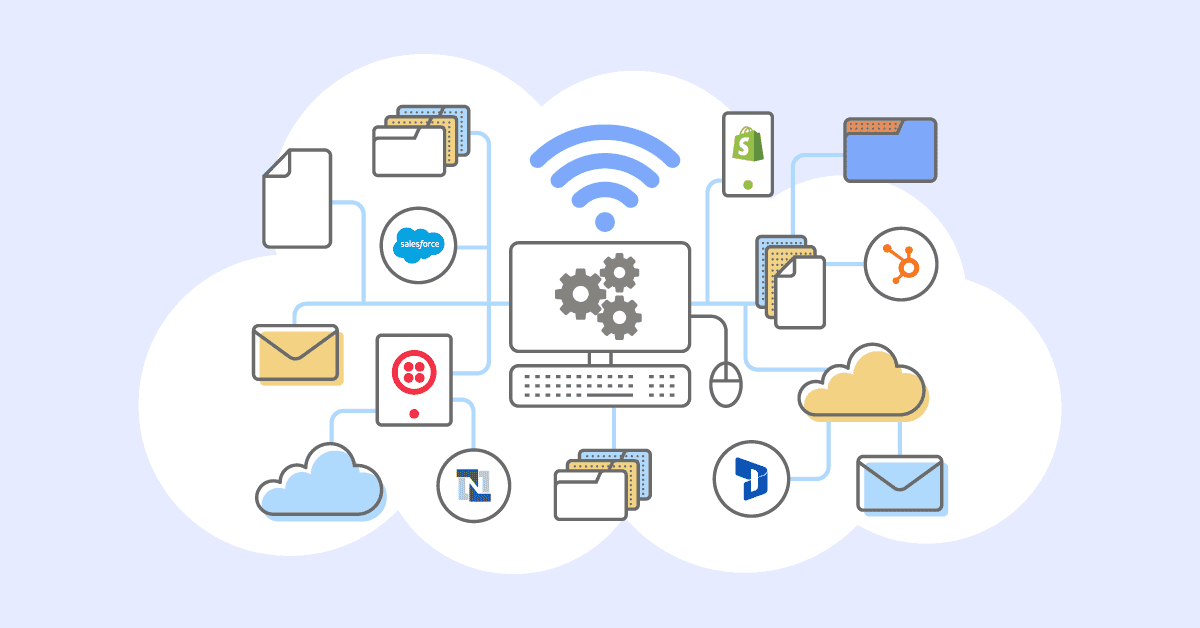
With the rapid expansion of the digital landscape, businesses are operating in a complex and interconnected ecosystem of applications, platforms, and technologies. In this dynamic environment, the importance of integration cannot be overstated. Integration, which involves seamlessly connecting disparate systems and data sources, has become a critical factor in ensuring efficient information flow and unlocking the full potential of digital investments.
In this article, we delve into the significance of integration in today’s digital landscape, exploring how it enhances business efficiency, enables seamless customer experiences, and drives innovation and adaptability.
Get Started with Aonflow iPaaS – Free Trial Available!
Build and deploy your integrations at zero cost. No credit card required!
Enhancing business efficiency through integration
One of the primary benefits of integration is its ability to streamline data flow within an organization. By connecting various systems and applications, integration eliminates manual data entry, reduces duplication, and minimizes errors. For instance, integrating an e-commerce platform with inventory management systems and accounting software enables real-time updates on inventory levels, automated order processing, and accurate financial reporting. This automation not only saves time and resources but also enhances operational efficiency and enables businesses to respond swiftly to customer demands.
Integration also paves the way for process optimization. Organizations can automate repetitive tasks and workflows, reducing manual intervention and freeing up employees’ time to focus on more value-added activities. For example, integrating customer relationship management (CRM) software with marketing automation tools enables automatic lead generation, nurturing, and conversion, streamlining the sales and marketing processes. The result is improved productivity, faster time-to-market, and better customer engagement.
Furthermore, integration fosters improved collaboration and communication within and between departments. By connecting disparate systems, organizations can facilitate seamless data sharing and communication, enabling cross-functional teams to work together more effectively. For instance, integrating project management software with messaging platforms and file-sharing tools allows team members to collaborate in real-time, share updates, and access relevant documents, irrespective of their physical locations. This leads to enhanced teamwork, faster decision-making, and increased overall productivity.
Enabling seamless customer experiences

In the era of personalized experiences, integration plays a vital role in creating seamless and consistent customer journeys across multiple touchpoints. The integration enables the creation of a unified customer data repository by connecting customer-facing systems such as CRM, e-commerce platforms, and support ticketing systems. With access to a holistic view of customer information, businesses can deliver personalized experiences tailored to individual preferences, behaviors, and needs.
For example, integrating CRM with marketing automation and analytics tools allows businesses to segment customers based on their demographics, purchase history, and engagement patterns. This segmentation enables targeted marketing campaigns and personalized messaging, resulting in higher customer satisfaction, increased loyalty, and improved conversion rates.
Integration also empowers organizations to provide an omnichannel customer engagement strategy. By connecting various communication channels, such as email, chat, social media, and phone, organizations can ensure consistent and coherent interactions with customers, regardless of the channel they choose. For instance, a customer can initiate a conversation on a social media platform and continue it seamlessly through a chatbot on the company’s website. This integration creates a frictionless experience, reduces customer effort, and strengthens brand loyalty.
Accelerating innovation and adaptability
Integration plays a critical role in driving innovation and enabling organizations to adapt to rapidly changing market dynamics. By integrating diverse technologies and systems, businesses can leverage the strengths of each component, fostering new possibilities and opportunities for growth.
The integration enables organizations to embrace agile development methodologies by connecting development, testing, and deployment environments. This integration streamlines the software development lifecycle, enabling continuous integration and deployment, and facilitating faster time-to-market for new features and applications. For instance, integrating development tools, version control systems, and cloud platforms allows for seamless collaboration among developers, accelerating the software development process.
Furthermore, integration enables businesses to harness the power of emerging technologies such as artificial intelligence (AI), the Internet of Things (IoT), and big data analytics. By integrating IoT sensors and devices with enterprise systems, organizations can collect and analyze real-time data to gain valuable insights into customer behavior, operational efficiency, and product performance. These insights drive data-driven decision-making, enable predictive maintenance, and facilitate the creation of innovative products and services.
Integration examples and use cases
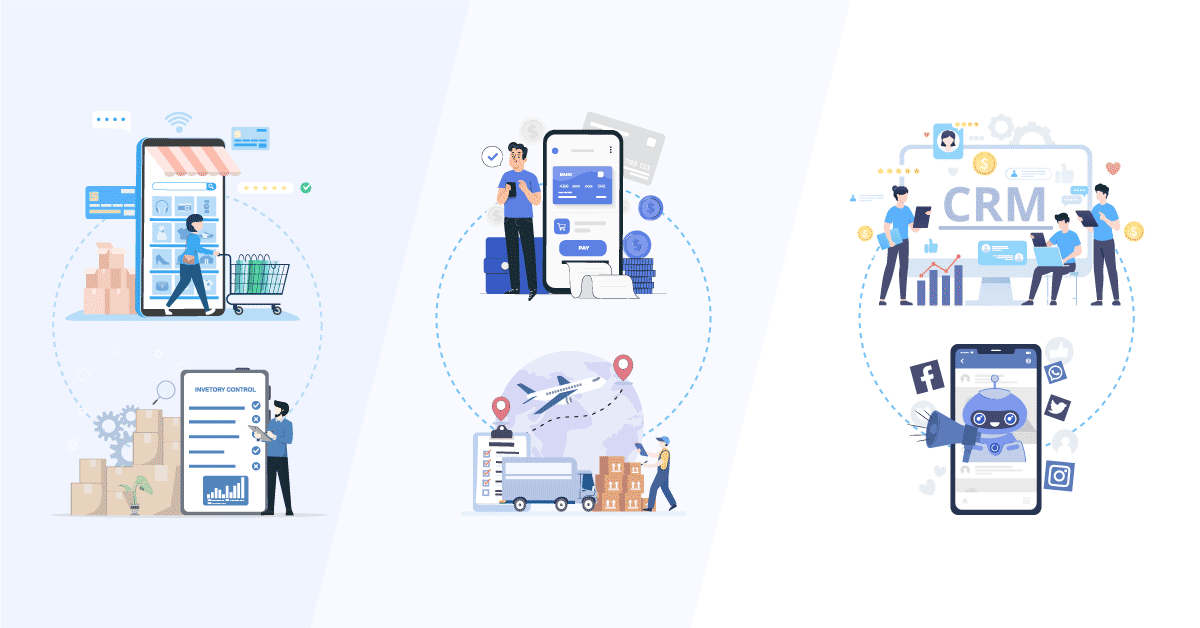
E-commerce integration is a prime example of how integration drives business success. By connecting e-commerce platforms with inventory management, payment gateways, and shipping systems, businesses can automate the entire order fulfillment process. This integration ensures accurate inventory visibility, streamlined payment processing, and efficient shipping, leading to improved customer satisfaction and increased sales.
Another use case is the integration of CRM and marketing automation systems. The integration allows for seamless data synchronization, enabling marketers to segment and target customers based on their interactions with the company. By automating lead nurturing, email campaigns, and personalized content delivery, organizations can optimize marketing efforts, drive customer engagement, and achieve higher conversion rates.
IoT and sensor data integration is revolutionizing industries such as manufacturing, healthcare, and logistics. By integrating sensors, devices, and data platforms, organizations can monitor and analyze data in real-time. For example, in manufacturing, integrating IoT sensors with production equipment allows for predictive maintenance, reducing downtime, and optimizing operational efficiency.
Overcoming integration challenges
While integration offers significant benefits, it is not without challenges. Legacy systems pose a common integration challenge as they often rely on outdated technologies and lack modern APIs. Organizations need to invest in integration strategies and technologies that bridge the gap between legacy and modern systems, enabling smooth data flow and interoperability.
Data security and privacy concerns are another critical challenge. When integrating systems, organizations must ensure that sensitive data is protected throughout the integration process. Implementing robust security measures, such as encryption, access controls, and regular audits, is essential to safeguard data integrity and protect against cyber threats.
Integration complexity and scalability are also common challenges, especially for organizations with a wide array of systems and applications. Selecting the right integration platform-as-a-service (iPaaS) solution can help address these challenges by providing a unified framework for managing and orchestrating integrations. iPaaS solutions offer pre-built connectors and workflows, reducing complexity and enabling scalability as business needs evolve.
Aonflow is the leading integration platform.
You can kick-start by integrating your first-ever workflow in just a matter of minutes.
Enabling seamless data-driven decision making
Integration plays a crucial role in enabling organizations to make informed, data-driven decisions. By connecting various data sources, such as customer data, sales data, and market insights, integration allows businesses to gain a comprehensive view of their operations and market landscape.
For example, integrating CRM systems with data analytics platforms enables organizations to analyze customer behavior, identify trends, and make data-backed predictions. This integration helps businesses understand their customers’ preferences, anticipate their needs, and tailor their offerings accordingly. Additionally, integration with external data sources, such as social media and market research platforms, provides valuable insights into market trends, competitor analysis, and consumer sentiment. By consolidating and analyzing this diverse data, businesses can make strategic decisions that drive growth and competitive advantage.
Integration also plays a crucial role in supply chain management. By integrating systems across the supply chain, including suppliers, manufacturers, distributors, and retailers, organizations can achieve real-time visibility into inventory levels, demand patterns, and logistics. This integration facilitates efficient inventory management, reduces stockouts and overstocking, minimizes lead times, and improves overall supply chain performance. As a result, businesses can optimize their operations, reduce costs, and enhance customer satisfaction through timely and accurate order fulfillment.
Enhancing collaboration in the digital era
In today’s digital era, where remote work and virtual teams are increasingly prevalent, integration plays a pivotal role in fostering collaboration and communication across geographies and time zones. By integrating collaboration tools, project management systems, and communication platforms, organizations can facilitate seamless information sharing, enhance teamwork, and drive productivity.
For instance, integrating project management software with team communication platforms allows team members to collaborate in real-time, share updates, and track project progress. This integration eliminates the need for manual status updates and email exchanges, streamlining communication and ensuring everyone is on the same page. Furthermore, integration with document management systems enables centralized access to project-related documents, fostering efficient collaboration and version control.
Integration also supports external collaboration with partners, suppliers, and customers. By integrating systems, organizations can establish secure and controlled data exchange channels, enabling seamless collaboration with external stakeholders. For example, integrating with a partner’s inventory management system can facilitate real-time visibility into shared inventory levels, enabling organizations to optimize joint inventory planning and replenishment strategies.
Integration examples and use cases
Let’s explore a few examples of integration and its impact across different industries:
Healthcare: Integration between electronic health records (EHR) systems, laboratory systems, and billing systems allows healthcare providers to access patient data, test results, and billing information in a unified interface. This integration enables seamless patient care coordination, reduces errors, and enhances billing accuracy.
Retail: Integration of e-commerce platforms with inventory management systems, payment gateways, and shipping providers ensures real-time inventory updates, streamlined order processing, and accurate tracking. This integration improves customer satisfaction, reduces fulfillment errors, and optimizes order fulfillment.
Manufacturing: Integration between manufacturing execution systems (MES), enterprise resource planning (ERP) systems, and equipment sensors enables real-time production monitoring, inventory management, and resource planning. This integration improves operational efficiency, reduces downtime, and facilitates proactive maintenance.
Selecting the right iPaaS solution
When choosing an iPaaS solution, organizations should consider several factors. Firstly, they need to evaluate the integration capabilities of the platform, ensuring it supports the required protocols, data formats, and APIs of the systems to be integrated. Additionally, scalability is crucial to accommodate future growth and changing integration needs.
Another consideration is the ease of use and configurability of the iPaaS solution. Organizations should opt for platforms that offer intuitive user interfaces, visual workflow builders, and self-service capabilities, allowing non-technical users to participate in the integration process.
Furthermore, organizations should assess the reliability and availability of the iPaaS solution, including factors like data backup, disaster recovery, and support services. It is essential to choose a vendor with a proven track record and a robust support system to address any potential issues promptly.
Conclusion
In today’s digital landscape, integration plays a vital role in enabling organizations to thrive and succeed. It enhances business efficiency, enabling streamlined data flow, automation, and improved collaboration. Integration also empowers businesses to provide seamless customer experiences through unified customer data and omnichannel engagement. Moreover, integration drives innovation and adaptability by facilitating agile development, leveraging emerging technologies, and responding to changing market dynamics.
As businesses navigate the complexities of integration, iPaaS solutions emerge as critical enablers. With their integration capabilities, scalability, and ease of use, iPaaS solutions offer organizations a robust foundation for achieving seamless connectivity across their digital ecosystem. As the digital landscape continues to evolve, integration remains of paramount importance, empowering businesses to leverage the full potential of their digital investments and deliver exceptional experiences to customers and stakeholders.
Get Started with Aonflow iPaaS – Free Trial Available!
Build and deploy your integrations at zero cost. No credit card required!