As technology advances, businesses are increasingly relying on Internet of Things (IoT) devices to collect valuable data and streamline operations. However, integrating these diverse devices into existing IT infrastructures can be a complex and challenging task. This is where Integration Platform as a Service (iPaaS) comes into play. In this comprehensive guide, we’ll delve into the world of iPaaS and how it simplifies IoT device integration within IT infrastructure.
Get Started with Aonflow iPaaS – Free Trial Available!
Build and deploy your integrations at zero cost. No credit card required!
Understanding iPaaS in this Context
Understanding iPaaS in the context of IoT device integration within IT infrastructure is crucial for grasping its significance and functionality. iPaaS, which stands for Integration Platform as a Service, represents a cloud-based solution tailored to address the intricate challenges associated with integrating diverse IoT devices into existing IT ecosystems.
At its core, iPaaS serves as a conduit, bridging the gap between disparate systems, applications, and data sources scattered throughout an organization. Picture it as the digital glue that binds together the different components of your IT infrastructure, regardless of their origins or underlying technologies.
Imagine your organization as a sprawling network of interconnected devices, each serving a specific purpose and generating valuable data. These devices could range from smart sensors monitoring environmental conditions to industrial machines collecting performance metrics. Despite their diversity, these devices share a common goal: to contribute data that informs decision-making and drives operational efficiency.
However, integrating these heterogeneous devices into a cohesive framework poses significant challenges. Each device may communicate using different protocols, formats, or proprietary interfaces, creating interoperability issues. Moreover, managing the sheer volume of data generated by these devices in real time adds another layer of complexity.
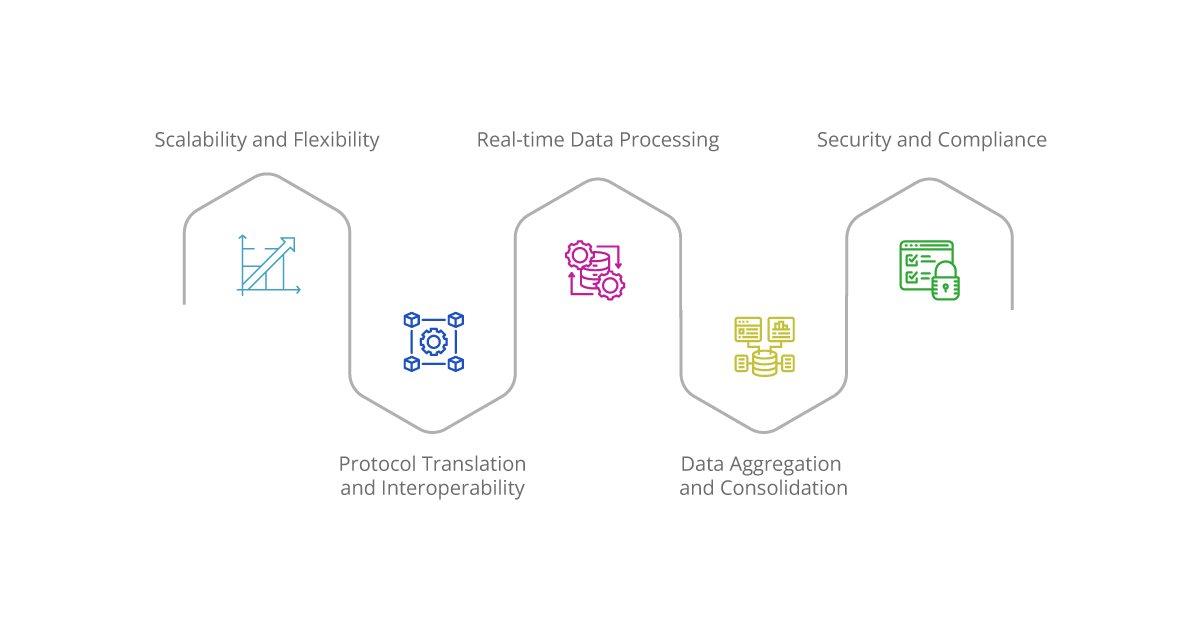
This is where iPaaS steps in to streamline the integration process. Acting as a middleware layer deployed in the cloud, iPaaS provides a centralized platform for orchestrating data flows between IoT devices and enterprise systems. Let’s break down its key components and functionalities:
1. Data Aggregation and Consolidation:
iPaaS aggregates data streams from diverse IoT devices, harmonizing them into a standardized format for easier processing and analysis. Whether it’s temperature readings from a smart thermostat or GPS coordinates from a fleet of vehicles, iPaaS ensures that all data is captured and consolidated into a unified stream.
2. Protocol Translation and Interoperability:
One of the biggest challenges in IoT integration is the disparate protocols used by different devices. iPaaS acts as a translator, seamlessly converting data between various protocols such as MQTT, CoAP, or HTTP. This ensures interoperability and smooth communication between devices, regardless of their native protocols.
3. Real-time Data Processing:
iPaaS processes incoming data streams in real time, enabling organizations to derive actionable insights and make informed decisions on the fly. Whether it’s detecting anomalies, predicting equipment failures, or optimizing resource allocation, iPaaS empowers businesses to harness the power of real-time analytics.
4. Scalability and Flexibility:
As IoT deployments scale, so does the demand for robust integration solutions. iPaaS offers scalability and flexibility to accommodate growing data volumes and device counts without sacrificing performance or reliability. Whether you’re adding a few sensors or expanding your IoT footprint across multiple locations, iPaaS scales effortlessly to meet your evolving needs.
5. Security and Compliance:
Security is paramount in IoT deployments, where sensitive data is transmitted and stored across interconnected devices. iPaaS incorporates robust security measures, including data encryption, authentication mechanisms, and access controls, to safeguard against unauthorized access and data breaches. Moreover, it helps organizations adhere to regulatory compliance requirements such as GDPR, HIPAA, or PCI-DSS, ensuring data privacy and integrity.
Benefits of iPaaS for IoT Device Integration
1. Streamlined Integration Process:
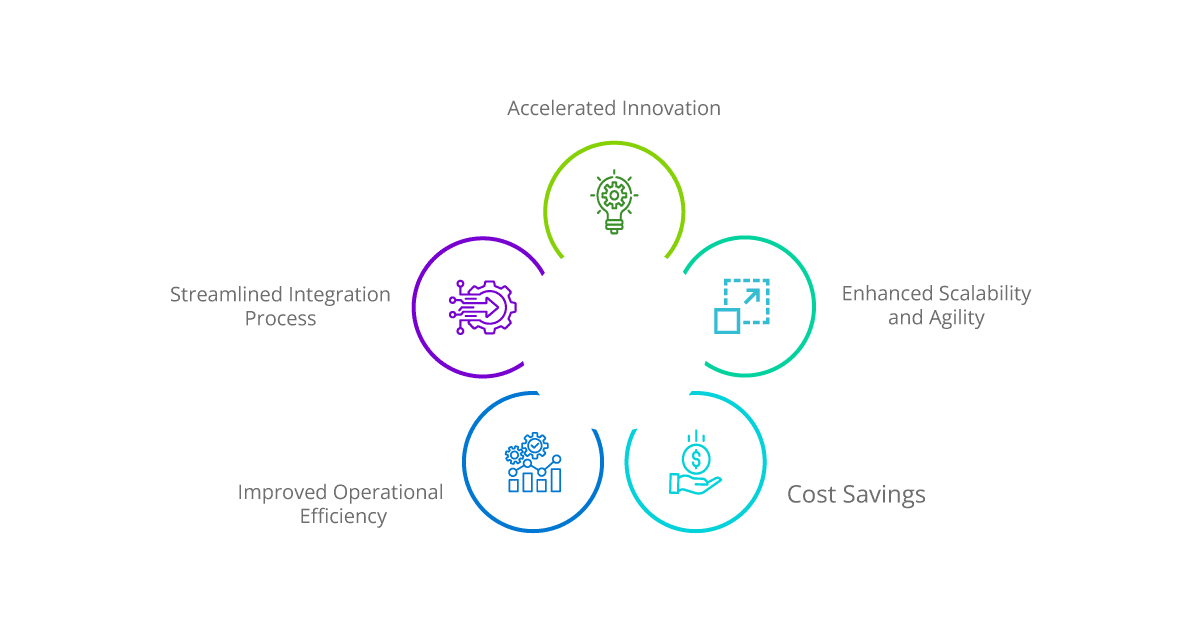
iPaaS simplifies the often daunting task of integrating IoT devices into existing IT infrastructure. Instead of grappling with complex coding or manual configuration, businesses can leverage iPaaS’s intuitive interface and pre-built connectors to expedite the integration process. By abstracting away the technical complexities, iPaaS allows organizations to focus their efforts on innovation and leveraging IoT data to drive business value.
2. Improved Operational Efficiency:
Centralization is key to operational efficiency, and iPaaS excels in this regard by providing a centralized platform for IoT data integration and management. By breaking down data silos and enabling cross-functional collaboration, iPaaS ensures that all stakeholders have access to the insights they need to make informed decisions. Whether it’s the operations team monitoring equipment performance or the marketing team analyzing customer behavior, iPaaS facilitates seamless access to relevant data, leading to more efficient operations and better outcomes.
Aonflow is the leading integration platform.
You can kick-start by integrating your first-ever workflow in just a matter of minutes.
3. Cost Savings:
Traditional integration methods often come with hefty upfront investments in hardware, software licenses, and ongoing maintenance. In contrast, iPaaS offers a cost-effective alternative with its cloud-based deployment model and pay-as-you-go pricing structure. By eliminating the need for expensive infrastructure investments and minimizing operational overhead, iPaaS helps businesses achieve significant cost savings. Moreover, the scalability of cloud resources ensures that organizations only pay for the resources they use, optimizing cost-efficiency and providing greater financial flexibility.
4. Enhanced Scalability and Agility:
Scalability and agility are paramount. iPaaS excels in both areas, offering organizations the flexibility to scale their IoT deployments seamlessly as their needs evolve. Whether it’s adding new devices, expanding into new markets, or adapting to changing business requirements, iPaaS provides the agility to respond quickly and effectively. Its cloud-native architecture ensures that organizations can leverage elastic resources to accommodate fluctuating workloads and unexpected growth spurts, without compromising performance or reliability.
5. Accelerated Innovation:
Innovation is the lifeblood of any organization, and iPaaS fuels innovation by streamlining IoT device integration and data management. By automating repetitive tasks and simplifying integration workflows, iPaaS frees up resources that can be redirected toward innovation initiatives. Whether it’s developing new IoT applications, exploring novel use cases, or uncovering hidden insights within IoT data, iPaaS empowers businesses to push the boundaries of what’s possible. By accelerating the pace of innovation, iPaaS enables organizations to stay ahead of the competition and capitalize on emerging opportunities in the rapidly evolving IoT landscape.
iPaaS offers a multitude of benefits for IoT device integration, ranging from streamlined integration processes and improved operational efficiency to cost savings, scalability, and accelerated innovation. By harnessing the power of iPaaS, organizations can unlock the full potential of their IoT deployments and pave the way for transformative digital experiences that drive growth, efficiency, and competitive advantage.
Who Benefits from iPaaS for IoT Device Integration?
- Enterprises: Large organizations with extensive IoT deployments benefit from iPaaS by achieving greater operational efficiency, scalability, and agility.
- Small and Medium-sized Businesses (SMBs): SMBs can leverage iPaaS to kickstart their IoT initiatives without the need for substantial upfront investments, thereby leveling the playing field.
- IoT Solution Providers: Companies offering IoT solutions can enhance their offerings by integrating with iPaaS platforms such as Aonflow, providing added value to their customers and speeding up time-to-market.
- IT Departments: IT teams tasked with integrating IoT devices appreciate iPaaS for its ease of use, scalability, and ability to offload integration complexities, allowing them to focus on strategic initiatives.
Conclusion
iPaaS plays a pivotal role in simplifying IoT device integration within IT infrastructure. By providing tools for data aggregation, protocol translation, real-time processing, scalability, security, and compliance, iPaaS enables organizations to harness the full potential of IoT technology. With its myriad benefits ranging from streamlined integration processes to accelerated innovation, iPaaS emerges as a cornerstone for IoT-driven digital transformation across industries.
Get Started with Aonflow iPaaS – Free Trial Available!
Build and deploy your integrations at zero cost. No credit card required!