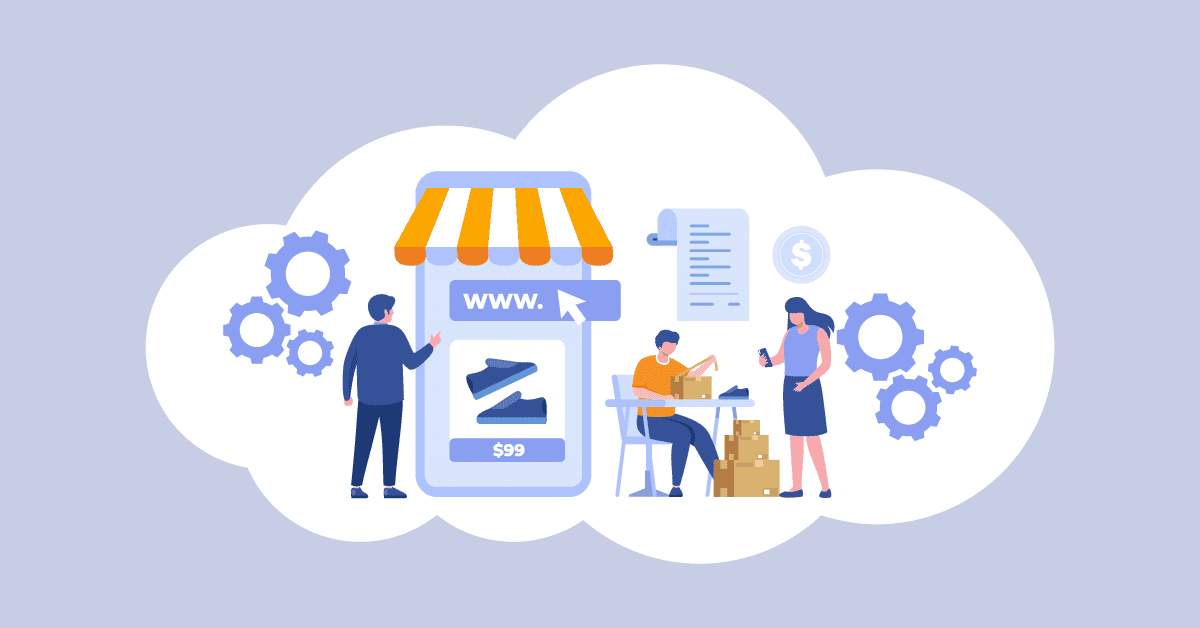
Amidst the surge of online shopping and the evolving e-commerce landscape, adaptation isn’t merely a buzzword; it’s a necessity for survival. Traditional integration and infrastructure methods are proving inadequate in meeting the dynamic demands of modern e-commerce. However, the emergence of cloud-based solutions and iPaaS has ushered in a revolution in the operational paradigms of e-commerce businesses.
Get Started with Aonflow iPaaS – Free Trial Available!
Build and deploy your integrations at zero cost. No credit card required!
Understanding Traditional Integration in E-commerce
Traditionally, e-commerce businesses navigated their operations through the lens of rigid, monolithic systems. These legacy systems, while foundational, often proved cumbersome and inadequate in the face of rapidly changing market dynamics and evolving consumer expectations.
1. Legacy Systems: At the core of traditional integration in e-commerce lay the reliance on legacy systems. These monolithic structures, while robust in their time, lacked the flexibility and agility required to adapt to the ever-changing demands of the digital landscape. Siloed and compartmentalized, these systems operated in isolation, hindering the seamless flow of data and inhibiting cross-functional collaboration.
2. Complex Integration: Integrating disparate systems within the e-commerce ecosystem was a daunting task. Inventory management, order processing, customer relationship management (CRM), and other critical functions operated as separate entities, each with its own set of protocols, formats, and data schemas. Custom-built integrations and point-to-point connections became the norm, resulting in a convoluted network of dependencies that was difficult to manage and maintain.
3. Scalability Challenges: The rigidity of traditional integration methods posed significant challenges for e-commerce businesses, particularly in terms of flexibility and scalability. Custom integrations were time-consuming and resource-intensive, requiring specialized expertise and extensive testing to ensure compatibility and reliability. As businesses sought to expand their operations and embrace new technologies, the limitations of traditional integration became increasingly apparent, stifling innovation and growth.
4. Dependency on Manual Processes: Manual intervention was often required to bridge the gaps between disparate systems, leading to inefficiencies, errors, and delays. Data entry, reconciliation, and synchronization were labor-intensive tasks that consumed valuable time and resources, diverting attention away from strategic initiatives and customer-centric activities.
5. Lack of Real-time Insights: In the fast-paced world of e-commerce, real-time insights are critical for making informed decisions and staying ahead of the competition. However, traditional integration methods often fell short of delivering timely and accurate data. Batch processing, data silos, and latency issues resulted in outdated information and missed opportunities, hampering agility and responsiveness.
In essence, traditional integration in e-commerce was characterized by rigid, monolithic systems, complex integration processes, inflexibility, and a heavy reliance on manual intervention. While these methods served as the backbone of e-commerce operations for many years, they ultimately proved inadequate in meeting the demands of a rapidly evolving digital landscape. As e-commerce businesses sought to innovate and scale, the need for a more agile, scalable, and streamlined approach to integration became increasingly apparent, paving the way for the emergence of Integration Platform as a Service (iPaaS) solutions.
Challenges in E-commerce Businesses
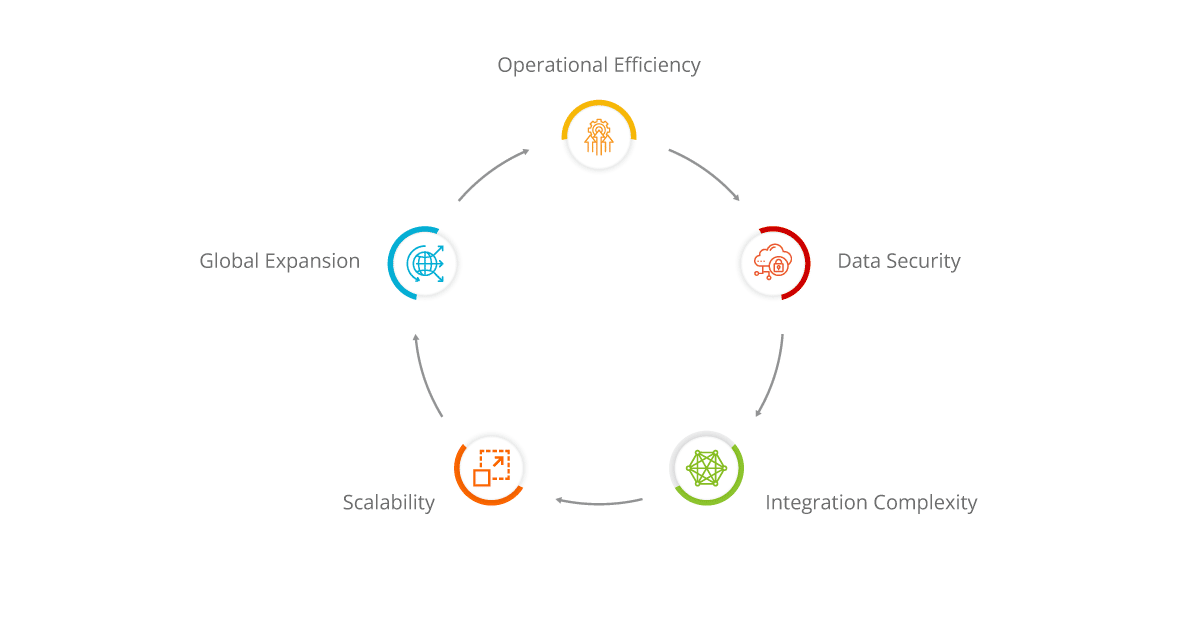
E-commerce businesses are confronted with a multitude of challenges within today’s hyper-competitive landscape. From the intricacies of managing inventory and fulfillment to the perpetual quest for optimizing customer experiences and driving conversions, the array of hurdles can appear insurmountable. Let’s delve deeper into some of the pivotal challenges faced by e-commerce enterprises:
1. Scalability: The traditional infrastructure backbone often buckles under the weight of sudden spikes in website traffic, particularly during peak seasons or promotional blitzes. As online shopping surges, traditional systems struggle to scale efficiently, resulting in performance bottlenecks and frustrating downtime instances.
2. Integration Complexity: The intricate web of disparate systems and applications that power e-commerce operations presents a formidable integration challenge. Custom development and maintenance efforts are frequently required to establish connections between inventory management systems, order processing platforms, customer relationship management (CRM) tools, and other essential components. This complexity not only consumes time and resources but also poses a barrier to agility and innovation.
3. Data Security: Safeguarding sensitive customer data from the relentless onslaught of cyber threats is paramount for e-commerce businesses. With data breaches making headlines with alarming frequency, ensuring robust cybersecurity measures and compliance with stringent regulations is a top priority. Any lapses in data security can lead to irreparable damage to brand reputation and severe financial repercussions.
4. Operational Efficiency: Streamlining processes and workflows is essential for e-commerce businesses to remain competitive and sustainable in the long run. From order fulfillment to inventory management and logistics optimization, operational inefficiencies can drain resources and erode profitability. Enhancing operational efficiency requires a holistic approach encompassing automation, process optimization, and the elimination of bottlenecks.
5. Global Expansion: Expanding into new markets holds immense potential for e-commerce businesses seeking to tap into a broader customer base. However, venturing into new territories comes with its own set of challenges. From navigating regulatory landscapes and cultural nuances to addressing logistical hurdles and localization requirements, global expansion requires meticulous planning and execution. Maintaining consistency in customer experiences across different geographies poses additional logistical and technical challenges.
In the face of these formidable challenges, e-commerce businesses must embrace innovative solutions and technologies to thrive in the ever-evolving digital landscape. Integration Platform as a Service (iPaaS) emerges as a transformative solution that addresses many of these pressing challenges, empowering e-commerce enterprises to streamline operations, enhance agility, and drive growth.
Aonflow is the leading integration platform.
You can kick-start by integrating your first-ever workflow in just a matter of minutes.
Solutions Offered by iPaaS to Address E-commerce Challenges
iPaaS offers a holistic solution to the integration challenges faced by e-commerce businesses. iPaaS enables seamless connectivity between disparate systems and applications, allowing businesses to orchestrate workflows, automate processes, and derive actionable insights from data. Some of the key features and benefits of iPaaS include:
- Unified Integration: iPaaS serves as a centralized hub, harmonizing the disparate systems and applications that power e-commerce operations. By providing a unified integration platform, iPaaS eliminates the need for cumbersome custom-built integrations and convoluted point-to-point connections. This streamlined approach simplifies the integration process, reduces complexity, and accelerates time-to-market for new initiatives.
- Scalability and Flexibility: Embracing the agility of cloud-based solutions, iPaaS offers unparalleled scalability to e-commerce businesses. Cloud-native architecture enables businesses to scale resources up or down dynamically in response to fluctuating demand. Whether it’s handling sudden spikes in website traffic during peak shopping seasons or scaling back during quieter periods, iPaaS ensures optimal performance and cost-efficiency without the burden of over-provisioning or underutilization.
- Security and Compliance: iPaaS vendors uphold the highest standards of security and compliance, safeguarding sensitive customer data from cyber threats and regulatory risks. With built-in encryption, access controls, and compliance certifications, iPaaS platforms provide peace of mind to e-commerce businesses operating in a data-sensitive environment. By adhering to industry best practices and regulatory requirements, iPaaS mitigates risks and fosters trust among customers and stakeholders alike.
- Low-Code Development: Empowering business users with the tools they need to innovate, many iPaaS platforms offer intuitive visual interfaces and drag-and-drop functionality. This democratization of integration enables non-technical users to create and manage integrations without the need for extensive coding skills or IT support. By empowering business users to take ownership of integration workflows, iPaaS fosters agility, accelerates innovation, and reduces reliance on scarce technical resources.
- Real-Time Insights: With the power of real-time analytics and insights, iPaaS provides e-commerce businesses with unparalleled visibility into data flows and transactions. By harnessing real-time insights, businesses can make informed decisions, optimize processes, and seize opportunities as they arise. Whether it’s monitoring inventory levels, analyzing customer behavior, or detecting anomalies in transaction data, iPaaS empowers businesses to stay ahead of the curve and drive continuous improvement.
In essence, iPaaS transcends traditional integration approaches, offering a transformative solution that empowers e-commerce businesses to thrive in today’s dynamic digital landscape. By embracing the scalability, flexibility, security, and agility of iPaaS, e-commerce enterprises can unlock new opportunities for growth, innovation, and success.
Use Cases on How iPaaS Can Help in the E-commerce Field
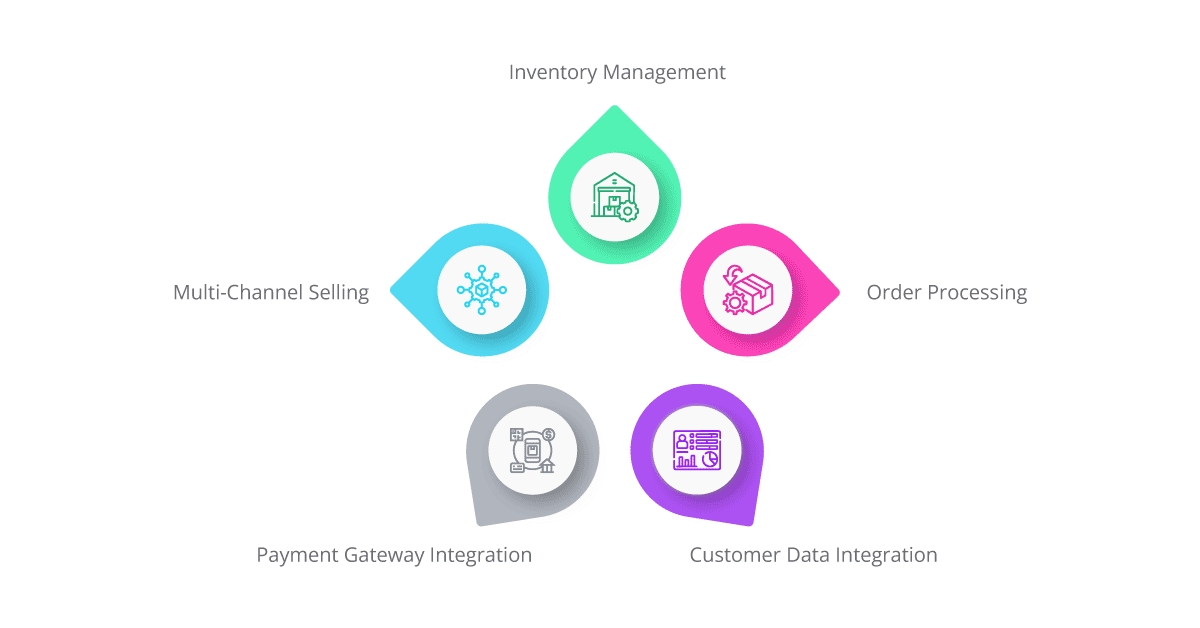
1. Inventory Management: By seamlessly integrating inventory management systems with e-commerce platforms, businesses gain real-time visibility into stock levels, ensuring accurate inventory management. iPaaS facilitates automatic synchronization of inventory data between systems, preventing stockouts and minimizing overstocking. With optimized inventory levels, businesses can streamline order fulfillment processes, enhance customer satisfaction, and maintain a competitive edge in the market.
2. Order Processing: iPaaS transforms order processing workflows, automating mundane tasks and minimizing manual errors. From order capture to fulfillment, iPaaS orchestrates seamless communication between e-commerce platforms, inventory systems, and fulfillment centers. Automated order processing accelerates order fulfillment, reduces fulfillment errors, and improves operational efficiency. By delivering orders accurately and promptly, businesses can enhance customer satisfaction, foster loyalty, and drive repeat purchases.
3. Customer Data Integration: iPaaS facilitates the integration of Customer Relationship Management (CRM) systems with e-commerce platforms, enabling businesses to deliver personalized shopping experiences tailored to individual preferences and behaviors. By consolidating customer data from disparate sources, iPaaS enables businesses to gain comprehensive insights into customer behavior, purchase history, and preferences. Leveraging this data, businesses can segment customers effectively, target them with personalized marketing campaigns, and nurture long-term relationships, ultimately driving repeat purchases and fostering brand loyalty.
4. Payment Gateway Integration: Seamlessly integrating payment gateways with e-commerce platforms via iPaaS ensures secure and hassle-free transactions for customers. iPaaS facilitates the encryption and transmission of payment data between systems, safeguarding sensitive information from unauthorized access and cyber threats. With seamless payment gateway integration, businesses can enhance trust and credibility, reduce cart abandonment rates, and streamline the checkout process, ultimately maximizing conversion rates and revenue.
5. Multi-Channel Selling: iPaaS empowers businesses to expand their reach and tap into new markets by integrating e-commerce platforms with various sales channels, including marketplaces and social media channels. By seamlessly synchronizing product listings, inventory levels, and order data across multiple channels, iPaaS enables businesses to reach customers wherever they are, whether it’s on popular marketplaces like Amazon and eBay or social media platforms like Facebook and Instagram. Multi-channel selling enhances brand visibility, expands the customer base, and drives sales growth, positioning businesses for success in the competitive e-commerce landscape.
In essence, iPaaS unlocks a world of possibilities for e-commerce businesses, enabling them to streamline operations, enhance customer experiences, and drive growth. By embracing iPaaS and leveraging its transformative capabilities, businesses can stay ahead of the curve, adapt to changing market dynamics, and thrive in the digital age.
Conclusion: Embracing Innovation for E-commerce Success
iPaaS represents a paradigm shift in the way e-commerce businesses approach integration and infrastructure. By leveraging the power of cloud-based solutions and iPaaS platforms like Aonflow, businesses can overcome the challenges of scalability, integration complexity, data security, and operational efficiency. Whether it’s streamlining workflows, optimizing customer experiences, or expanding into new markets, iPaaS enables e-commerce businesses to innovate and thrive in today’s digital economy. Embracing iPaaS is not just a choice—it’s a strategic imperative for e-commerce success in the digital age.
Get Started with Aonflow iPaaS – Free Trial Available!
Build and deploy your integrations at zero cost. No credit card required!